
TugCam™ – Visual Operator Aid
TugCam™ is the Netarus visual operator aid for towboats and tugboats: it eliminates blind pushes by placing the operator's eyes anywhere on the vessel or barge.
Netarus maritime systems help tugboat, towboat, barge, vessel and port crane crews see what is hidden from the wheelhouse or the cab, with TugCam and HoistCam wireless cameras, night vision cameras, and custom camera and DVR platforms for vessels.
TugCam™ eliminates blind pushes for towboat and tugboat operators by placing their eyes anywhere on the vessel or barge. The camera sits in a magnetically mounted case with batteries and a transmitter, and a wireless receiver in the wheelhouse feeds any standard video monitor. Professional Mariner reported how Norfolk Tug used TugCam to see ahead of three-story-tall U.S. Navy barges on the Elizabeth River.
Loading and unloading at a port often runs on critical timing, and the crane operator usually has no direct line of sight to the load. A wireless HoistCam at the hook or in the hold removes that blind spot, helps increase safety and can significantly improve productivity.
In one HoistCam case study, a blind lift of cold-rolled steel from inside the hull of a cargo ship went from 9 hours to 4 hours once the rigger and operator could see the load, and the customer's internal safety rating rose above 90%. Results vary with conditions and experience.
Netarus custom platforms can include night vision cameras, and Netarus low-lux camera and DVR systems have been tested on the water at night.
The Rapidly Deployable Video Surveillance (RDVS) platform has been used where cameras and recording are needed in very remote locations. It is suited to viewing fish pens, or jon boats where space is often cramped, remotely or locally.
Netarus engineers custom wiring, panel and camera platforms on maritime vessels, and designs self-contained camera systems for tug and large vessel operators. Its staff includes personnel with TWIC credentials. See custom platforms.

TugCam™ is the Netarus visual operator aid for towboats and tugboats: it eliminates blind pushes by placing the operator's eyes anywhere on the vessel or barge.
HoistCam is the Netarus flagship line of wireless and wired crane camera systems. Current HoistCam models, specifications and support are on hoistcam.com.
Netarus builds rugged, easy to use communication platforms, customized with night vision cameras, batteries, DVRs, displays, wireless links and sensors.
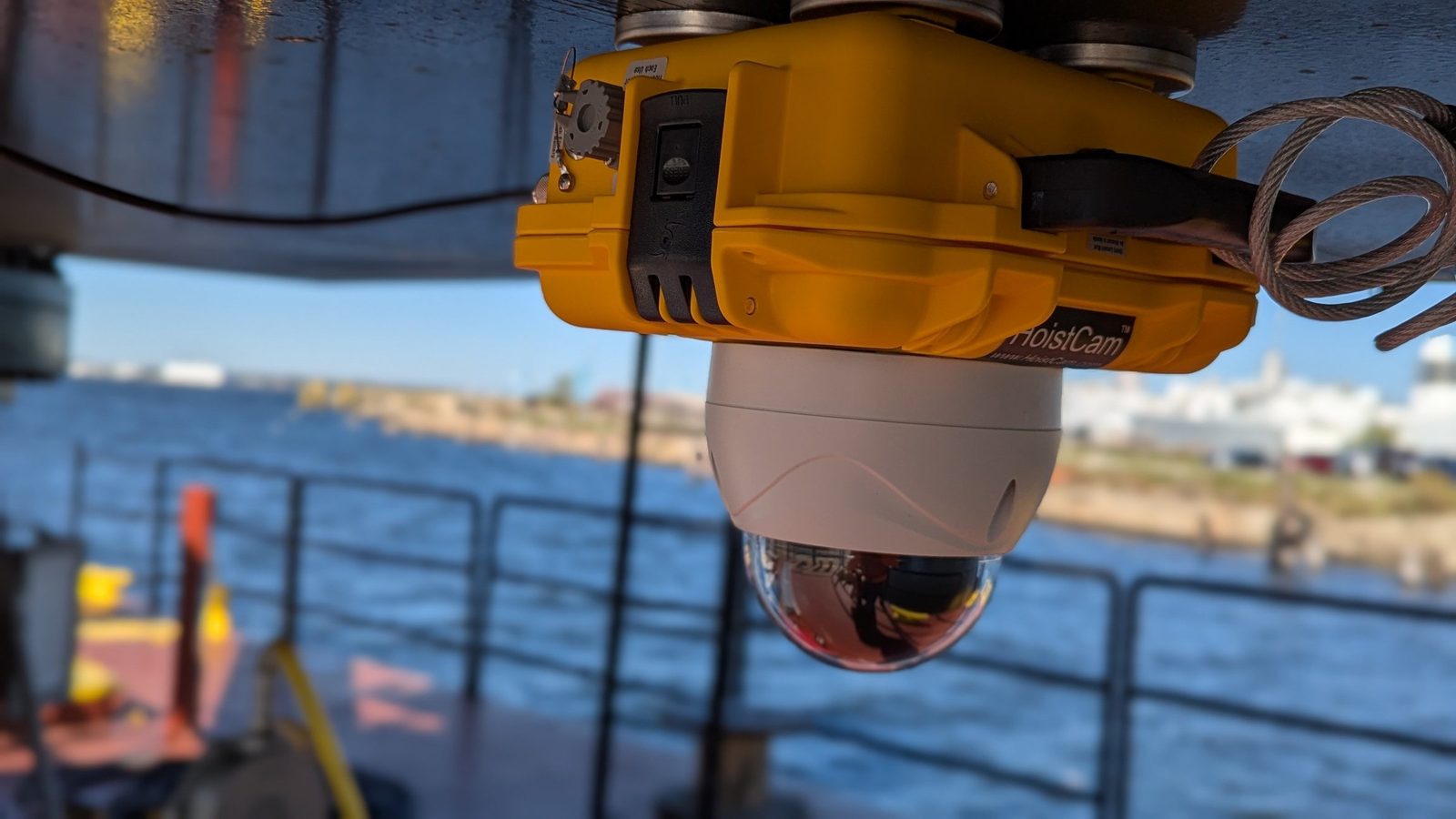
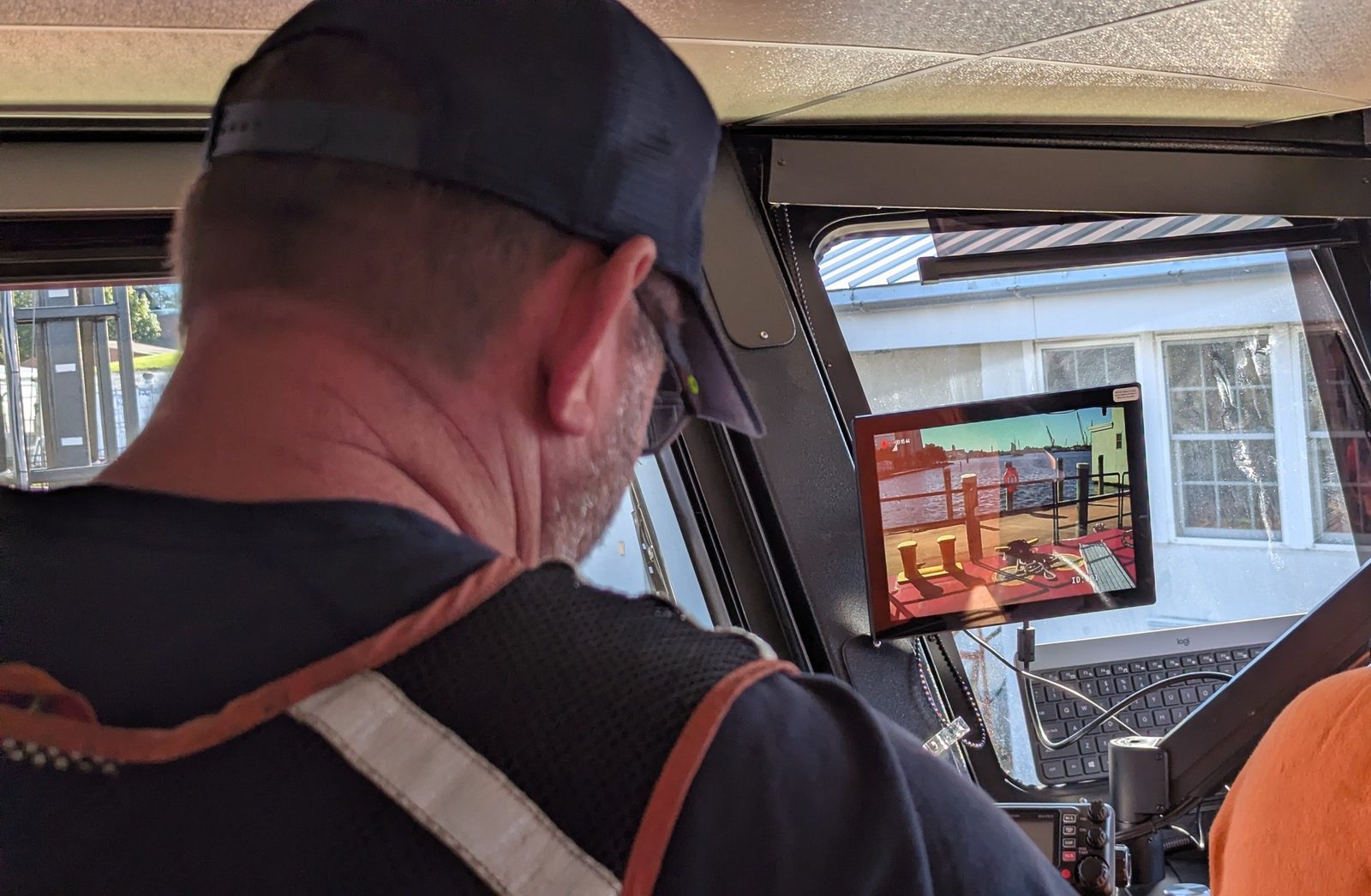
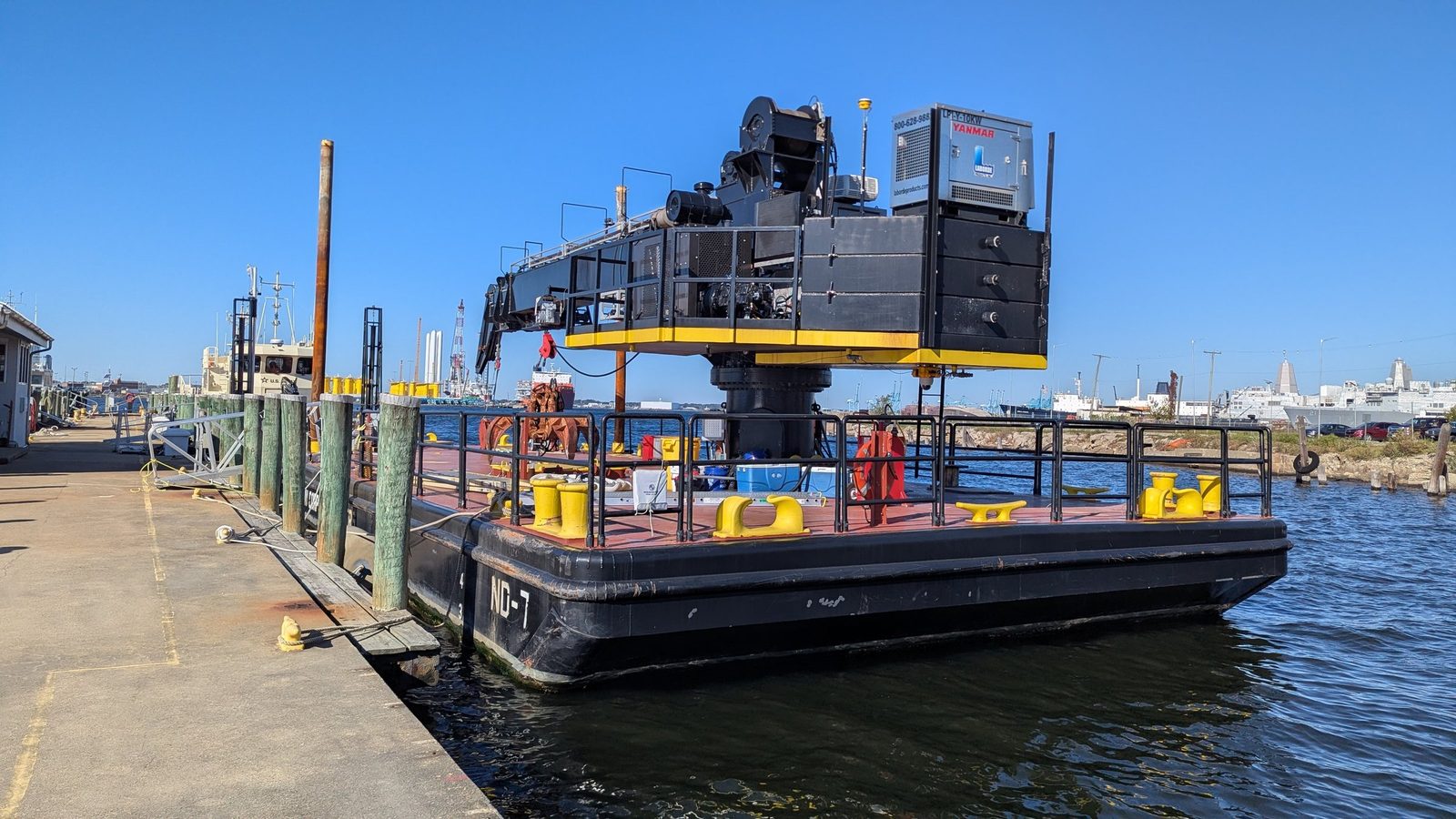
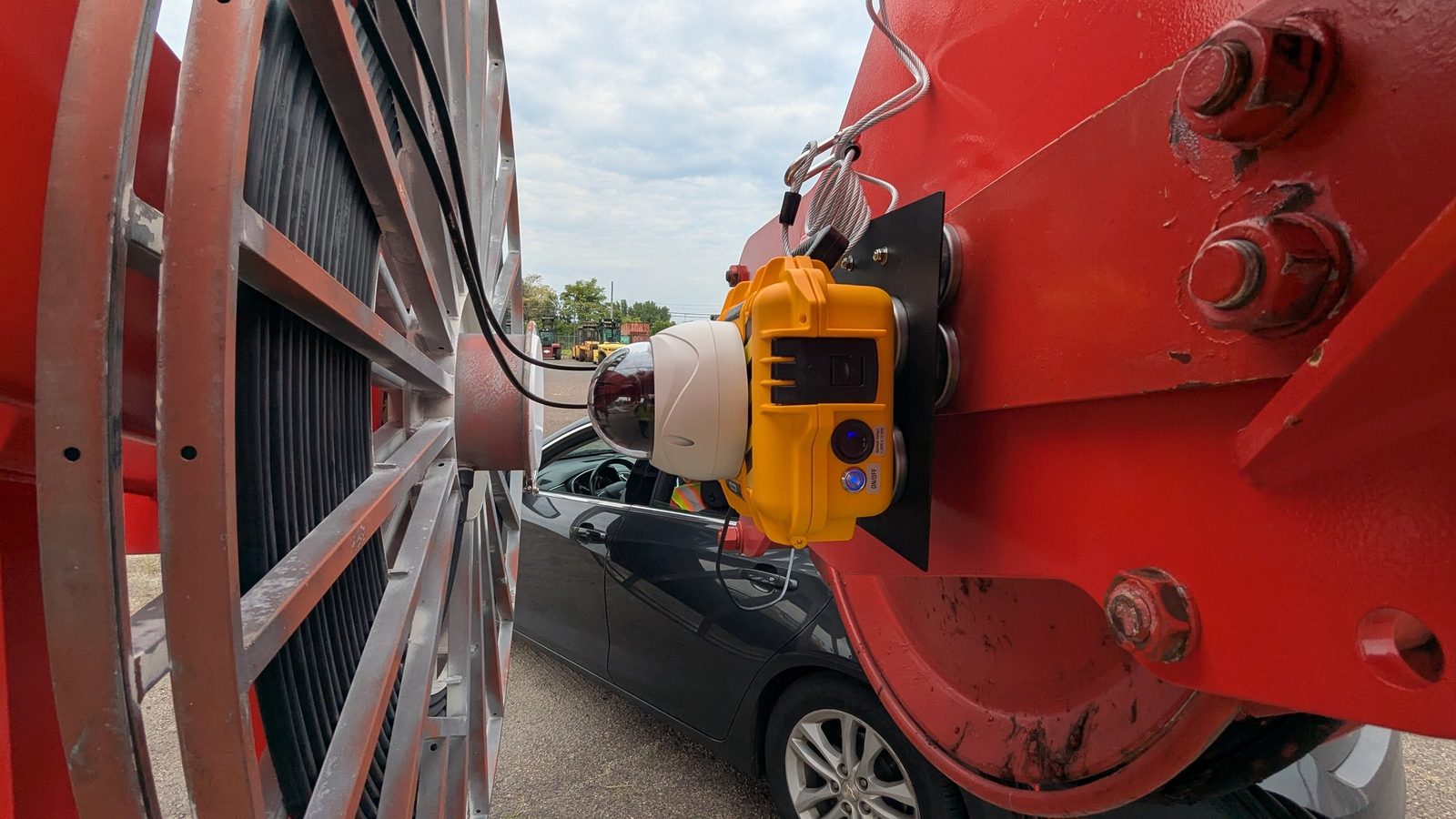
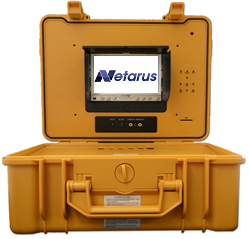
TugCam is a Netarus wireless camera system for tugboat and towboat operators. It places the operator's eyes anywhere on the vessel or barge, so a crew pushing a tall barge can see the water ahead from the pilothouse.
No. The camera sits in a magnetically mounted case with its own batteries and transmitter, and a wireless receiver in the wheelhouse feeds any standard video monitor.
Netarus custom platforms can include night vision cameras, and Netarus low-lux camera and DVR systems have been tested on the water at night.
The crane operator usually has no direct line of sight into the hold. A wireless camera at the hook or in the hold shows the load live in the cab. In one HoistCam case study, unloading cold-rolled steel from a cargo ship's hull went from 9 hours to 4 hours. Results vary with conditions and experience.
Intermodal yards, 3PLs, drayage, warehousing and video on land-based vehicles are on the Netarus Transportation page. HoistCam crane equipment for barges, offshore rigs and harbor cranes is on hoistcam.com.

Netarus builds rugged wireless camera and video systems that put the eyes of an operator, foreman or supervisor anywhere on a construction site, from the hook of a crane to the bottom of an excavation.

Netarus helps steel mills, plants and factories see blind lifts on overhead cranes, grapples and coil handling equipment, with rugged camera systems and a full-service material handling analysis program.

Netarus camera and video systems help intermodal yards, 3PLs, drayage yards, warehouses and vehicle fleets see the loads and moves their operators can't see directly, from a container on a reach stacker's spreader to video on board land-based vehicles.
We are here to help answer any questions you may have about our solutions.